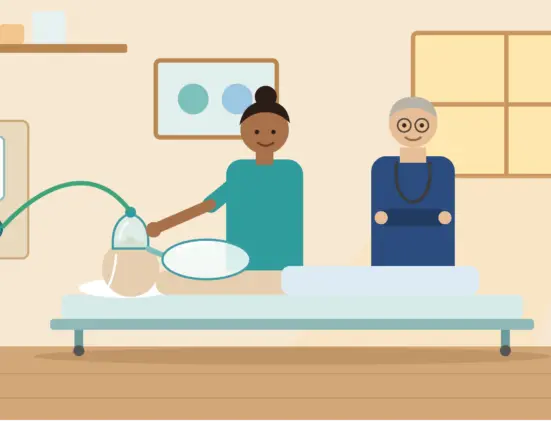


A subcutaneous insulin injection delivers insulin into the fatty tissue beneath the skin. Insulin pens make administration convenient, but safe practice still requires careful prescription checks, accurate dose selection, appropriate site assessment and clear communication.
For international nurses preparing for UK practice, this procedure brings together several essential skills: medicines management, infection prevention, patient identification, clinical judgement and documentation. In an NMC OSCE station, you must demonstrate these skills clearly while responding to the patient’s needs.
This guide explains the insulin pen procedure step by step, highlights common mistakes and offers practical preparation advice. Use it alongside the current NMC candidate materials, your organisation’s medicines policy and the instructions provided with the prescribed insulin pen.
Clinical safety note: This article supports education for trained healthcare professionals. It does not replace supervised competency assessment, a valid prescription or individualised clinical advice.
1. Understanding subcutaneous insulin administration
Insulin helps regulate blood glucose by supporting the movement of glucose from the bloodstream into cells. People with type 1 diabetes require insulin, while some people with type 2 diabetes and other conditions also need it.
A subcutaneous insulin injection places the medicine in the tissue between the skin and muscle. Injecting into muscle unintentionally can change absorption and increase the risk of hypoglycaemia, meaning low blood glucose.
Insulin pens may be disposable, with a prefilled reservoir, or reusable, with a replaceable cartridge. Before using either type, understand the device’s dose increments, flow-check process and required needle-hold time.
Never assume that two pens work identically because they look similar. Safe administration depends on checking both the prescribed insulin and the specific device.
2. Begin with the prescription and clinical context.
Before preparing a subcutaneous insulin injection, confirm that the prescription is complete, clear and appropriate for the patient.
Check:
- Patient identifiers.
- Insulin name and formulation.
- Insulin concentration.
- Prescribed dose, written in full as units.
- Subcutaneous route.
- Administration time and frequency.
- Prescriber authorisation.
- Relevant glucose results and monitoring instructions.
Review the medication record to establish whether the dose has already been administered. Duplicate insulin administration can cause serious harm.
Check the patient’s current condition, recent food intake, planned meal and any symptoms of hypoglycaemia. Consider whether vomiting, fasting, reduced intake or acute illness requires clarification with the appropriate clinician.
3. Prepare the equipment and environment.
Gather the equipment before approaching the procedure itself. This helps maintain organisation and reduces interruptions.
You will usually need:
- The correct insulin pen.
- A compatible, single-use pen needle.
- The prescription and medication administration record.
- Access to the relevant blood glucose result.
- Clean gauze, if required.
- A suitable sharps container within reach.
- Hand hygiene supplies.
Check packaging integrity and expiry dates. Confirm that the sharps container is correctly assembled and below its marked fill line.
Inspect the insulin’s appearance against the prescription.

4. Identify, explain and obtain consent
Introduce yourself, explain your role and provide privacy. In a community setting, also assess whether the environment is safe and suitable.
Ask the patient to state their full name and date of birth, then compare these with the prescription and identification information. Use any additional identifiers required by local policy.
Check allergies and the reaction associated with each recorded allergy.
Explain the purpose of the subcutaneous insulin injection in clear language:
“This insulin helps control your blood glucose. I will check the prescription and injection site, give the prescribed dose, and make sure you are comfortable afterwards.”
Discuss relevant risks, especially hypoglycaemia and local injection-site reactions. Ask whether the patient has concerns or preferences.
Obtain consent before proceeding. Where communication or capacity needs exist, follow the appropriate support and legal framework.
Throughout the procedure, speak to the patient rather than delivering a memorised explanation only to the assessor.
5. Check blood glucose and meal timing.
Review the blood glucose result required by the prescription, care plan and local policy before giving insulin.
A blood glucose level below 4 mmol/L generally indicates hypoglycaemia and requires prompt management under the relevant protocol.
If hypoglycaemia is present or suspected:
- Pause the planned administration and assess the patient.
- Follow the local hypoglycaemia pathway.
- Escalate appropriately.
- Reassess and obtain advice about subsequent insulin administration.
6. Select and assess the injection site.
Common insulin injection sites include the upper arms, abdomen, thighs and buttocks. The upper arm may also be appropriate when correct subcutaneous technique can be achieved.
For each subcutaneous insulin injection, ask where the patient last injected and inspect the intended area.
Avoid:
- Inflamed, infected or broken skin.
- Bruising or painful areas.
- Scar tissue.
- Swelling.
Discuss site rotation with the patient. A structured rotation pattern helps avoid repeatedly using the same small area. Follow the patient’s agreed plan rather than switching sites randomly.
Maintain dignity by exposing only the necessary area. If the patient expresses a preference, accommodate it when clinically appropriate.

7. Perform hand hygiene and prepare the skin.
Perform hand hygiene at the appropriate points before handling equipment and administering the injection.
A safe subcutaneous insulin injection requires a clean, organised technique without unnecessary handling of the needle or injection site.
8. Attach the needle and check insulin flow.
Confirm the insulin label again before preparing the pen. If the preparation requires following the manufacturer’s method.
Attach a new, compatible pen needle according to the device instructions. Remove the protective covers as directed, taking care not to touch the exposed needle.
Perform the manufacturer’s flow check, sometimes called ‘priming’ or an ‘air shot’. This confirms that the pen and needle allow insulin to flow.
9. Dial and verify the prescribed dose.
After confirming flow, select the prescribed dose using the pen’s dose selector.
Check the selected dose against the prescription immediately before administration.

10. Insert the needle using the correct technique.
Tell the patient that you are about to administer the injection.
Pinch the skin in a fold, and a 90-degree insertion is generally appropriate for adults.
Insert the needle smoothly into the selected site. Keep the pen stable and avoid excessive pressure that compresses the tissue.
In an OSCE, explain your decisions when useful, but keep the patient informed and comfortable rather than turning the procedure into a continuous technical commentary.
11. Deliver the dose and withdraw safely.
Press the injection button fully, following the pen instructions. Keep it depressed as required and check that the dose display returns to zero.
Leave the needle beneath the skin for the 10-second hold time after completing delivery. This helps reduce leakage and supports delivery of the intended dose.
Withdraw the needle smoothly. If there is minor bleeding, apply gentle pressure with clean gauze. Do not massage the site.
A completed subcutaneous insulin injection should leave the patient comfortable, with any concerns addressed promptly.
12. Dispose of the needle and store the pen.
Remove the used pen needle using the approved safety mechanism or removal method.
Do not use your fingers to handle an exposed needle or routinely recap it by hand. Where a device requires a specific removal accessory or protective component, use the approved method.
Dispose of the needle immediately into the sharps container at the point of use.
Do not leave the needle attached between injections. This can contribute to leakage, air entry, contamination and inaccurate subsequent delivery.
Replace the pen cap and store the pen according to the manufacturer’s instructions and local policy.
Clean or dispose of other equipment appropriately, then perform hand hygiene.
13. Document and provide aftercare
Record the subcutaneous insulin injection promptly after administration, not before.
Documentation should include, as applicable:
- Date and time.
- Your identification or signature.
Explain relevant aftercare, including meal timing within 30 minutes, glucose monitoring and symptoms requiring help.
Common hypoglycaemia symptoms include sweating, trembling, hunger, palpitations, dizziness and confusion. Some patients have reduced awareness and may not experience typical warning symptoms.
Ensure the patient knows their individual treatment plan. In a hospital, tell them how to call for assistance. In the community, confirm appropriate contact arrangements and emergency advice.
14. Preparing for the NMC OSCE insulin station
A successful OSCE performance combines safe actions with organised communication. Avoid learning a script without understanding why each step matters.
Practise the subcutaneous insulin injection procedure in a consistent sequence:
- Read the scenario and prescription.
- Introduce yourself, identify the patient and obtain consent.
- Review allergies, inform about side effects, glucose information and meal timing.
- Check and prepare equipment.
- 2nd ID check; assess the injection site.
- Prepare the pen and verify the dose.
- Administer using device-appropriate technique.
- Dispose safely, document and provide aftercare.
Mentor Merlin’s NMC OSCE preparation programme can support structured rehearsal, clearer communication and feedback on clinical skills.
Conclusion: build a safe, repeatable technique
A safe subcutaneous insulin injection involves much more than inserting a needle. It requires an accurate prescription check, clinical assessment, correct device preparation, appropriate injection technique and complete documentation.
For international nurses, the strongest preparation links every action to its safety purpose. Practise until you can work methodically while maintaining clear, compassionate communication.
Explore Mentor Merlin’s NMC OSCE preparation programme to strengthen your clinical skills and confidence for UK nursing practice. Always combine examination preparation with current official guidance, supervised practice and device-specific instructions.

Frequently asked questions
1. What are the side effects of insulin?
Sweating, Blurred vision, Giddiness, hunger, etc. are common side effects of Insulin
2. What are the sites for subcutaneous injection?
The sites for subcutaneous injection include the upper outer arm, Abdomen (avoiding a 2-inch radius around the navel), Front and outer sides of the thighs, Upper buttocks
It’s important to rotate sites to prevent tissue damage.
3. Are an apron and gloves mandatory for this station in OSCE?
No, the use of an apron and gloves is not mandatory during OSCE for the subcutaneous injection station.
4. Can you reuse an insulin pen needle?
Use a new, sterile pen needle for each injection. Reuse can contribute to tissue trauma, blocked needles and unreliable delivery. Remove the needle safely after administration and dispose of it immediately.
References
- World Health Organization. WHO best practices for injections and related procedures toolkit. 2010. Available from: [LINK].
- The Royal Marden NHS Foundation Trust. The Royal Mardsen Manual of Clinical and Cancer Nursing Procedures. 10th Edition. Oxford: Wiley-Blackwell.
- Diabetes UK. Injecting Insulin. 2022. Available from: [LINK].
- NHS. Side effects of short-acting insulin. 2023. Available from: [LINK].
Worth A Try
- Continuous Subcutaneous Insulin Infusion Diabetes Care, 1985
- Nighttime continuous subcutaneous insulin infusion revisited: a strategy for improving insulin delivery. A Schiffrin, Diabetes Care, 2000
- Subcutaneous or Nonsubcutaneous Injection of Insulin Maximilian Spraul, Diabetes Care, 1988
- Insulin Administration American Diabetes Association, Diabetes Care, 1998
- Improving Diabetes Care in the Hospital Using Guideline-Directed Orders Stephen F. Quevedo, Diabetes Spectr, 2001
- Insulin injection technique. J Thow, The BMJ, 1990
- Insulin Therapy: A Personal Approach. Mayer B. Davidson, Clin Diabetes, 2015
- Technique of Insulin Injections R. D. Lawrence, The BMJ, 1940
- Methodical variation of subcutaneous insulin injection sites. J O McGee, The BMJ, 1979
- Continuous subcutaneous infusion of insulin in the management of diabetes mellitus. M C Champion, Diabetes, 1980
Read our recent blog – “NMC OSCE Resit Exam 2026: Complete Preparation Guide and Tips to Pass” – to ensure your journey stays on track.
Why Wait? Just Merlin It!
Stay tuned to Mentor Merlin for further NMC OSCE updates, preparation guidance and exam-focused resources.
NMC Updates 2026, Mentor Merlin, NMC September 2026, NMC Fee Changes, New OSCE Stations, OSCE Update 2026, NMC Registration UK, OSCE Training UK, International Nurses UK, UK Nursing, CBT Training, OET Training, Overseas Nurses UK, UK Nurse Registration.
#nmcupdates #nmcosce #mentormerlin #uknursing #oscetraining #oettraining #cbttraining #nmcregistration #oscetraininguk #overseasnurses #nurses #internationalnurses #freeosce #oscetips #osceupdates2026
Free Consultation – Chat now with a Mentor.